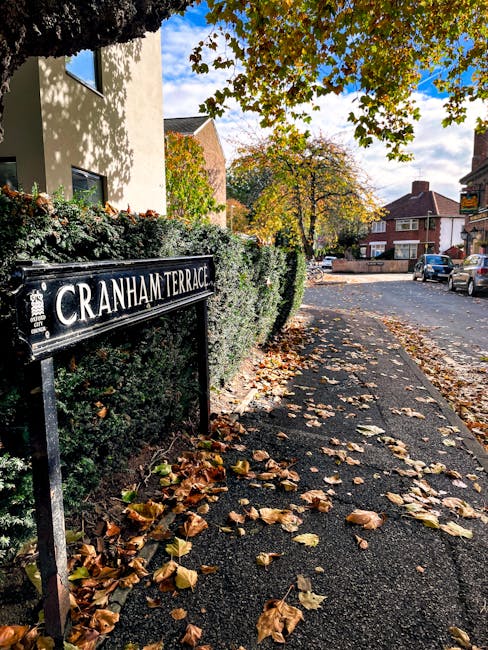
Common access problems for end terrace removals in Crayford
End terrace moves can look straightforward on paper. In real life, though, the last 20 metres can make the whole job harder than the entire packing process. Narrow side passages, parked cars, tight front gardens, awkward steps, low branches, shared access routes, and weather that seems personally opposed to moving day all play a part. If you are dealing with Common access problems for end terrace removals in Crayford, the good news is that most of them can be managed with the right planning.
This guide breaks down the access issues people run into most often, why they matter, how removal teams usually work around them, and what you can do before the van arrives. It is written for anyone moving from an end terrace in Crayford who wants fewer surprises and a calmer day overall. Truth be told, a bit of access planning saves more time than people expect.
If you are also trying to get the rest of the move organised, it can help to look at the full services overview and packing and boxes support in Crayford early, especially if your stairs, hallway or driveway are already looking like part of the problem.
Table of Contents
- Why access problems matter on end terrace removals
- How access is assessed and handled
- Key benefits of planning access properly
- Who this is for
- Step-by-step guidance
- Expert tips for smoother access
- Common mistakes to avoid
- Tools, resources and recommendations
- Law, compliance and best practice
- Options and comparison
- Case study or real-world example
- Practical checklist
- Conclusion
- Frequently asked questions
Why Common access problems for end terrace removals in Crayford Matters
Access is not just a convenience issue. It affects timing, labour, safety, and whether your belongings can be moved without damage. End terraces often sit on corners, so they may have one side that is open and one side that is hemmed in by another property, railings, hedges, fences, or a narrow path. That shape sounds simple, but it can create a surprisingly awkward loading setup.
In Crayford, access can also be influenced by local streets, parked vehicles, busier roads near the centre, and the specific layout of older housing stock. Even when the house itself is modest in size, the removal route might involve a long carry from the front door to the van, a sharp turn around a gate, or a tricky approach over uneven paving. One slippery step in the rain and suddenly everyone is moving slower, and more carefully, for good reason.
When access is tight, teams may need more time, extra crew members, smaller vehicles, or a different loading method. That affects cost and scheduling. It can also determine whether heavy items such as wardrobes, sofas, beds or a piano can be moved safely without dismantling. If the access is known in advance, a mover can adapt. If it is discovered at the door, the day gets messy. Let's face it, nobody wants to discover that the fridge does not fit through the gate after everything has been wrapped and lifted.
Key takeaway: end terrace removals are often less about the volume of belongings and more about the quality of the access route. Good planning reduces delay, damage risk, and stress all at once.
For broader moving support, you may also find house removals in Crayford useful if your move involves a full property rather than a single room or flat.
How Common access problems for end terrace removals in Crayford Works
In practice, access planning starts with a simple question: how will the item get from inside the home to the van, without trouble? The answer usually comes down to the route, the size of the item, and the vehicle that can safely get close enough.
1. The route from room to road
Removal teams look at the path from the furniture or boxes to the exit, then from the exit to the van. On an end terrace, this might include:
- a narrow hallway
- tight turns on stairs
- a front step or small porch
- a side return that is too slim for larger items
- a garden gate with limited width
- a pavement with limited kerbside stopping space
If any part of that route is awkward, the whole move slows down. A sofa can be carried perfectly by two people and still become impossible at a bad corner. It sounds dramatic, but that is the reality.
2. The vehicle positioning problem
Ideally, the van should be parked as close as safely possible to the property. In some parts of Crayford, that is easier said than done. A corner plot may have better visibility but worse kerb space. A side road might allow loading, but only if parking is not already full. If the vehicle is too far away, you get a long carry. If it is too close in a risky position, you create traffic and safety issues.
3. Dismantling and reassembly decisions
Sometimes the smartest option is not to force an item through a difficult opening. It may be better to dismantle beds, tables, wardrobes or modular sofas before the team arrives. That is where planning pays off. If you know a bed frame needs taking apart, you can line up the right tools and pack the fixings securely. A bit of pre-work saves a lot of grumbling later.
4. Access limitations at both ends
People often focus on the old house and forget the new one. But end terrace access at delivery is just as important. If both properties have tight approaches, steep steps, or awkward parking, the move may need a smaller vehicle or a staged plan. That is especially relevant for larger family homes, heavier furniture, or a same-day move where timing really matters. If speed is key, same day removals in Crayford can be a practical option, but only when access has been checked properly.
Key Benefits and Practical Advantages
Good access planning is one of those things people only appreciate after the move. Before that, it can seem a bit fussy. Then the van arrives, the street is busier than expected, and suddenly it all makes sense.
- Less damage risk: Items are less likely to scrape walls, break handles, or catch on railings.
- Faster loading: Shorter carries and clear routes make the whole day move more smoothly.
- Lower physical strain: The team does not need to carry heavy items as far, which matters a lot on repeat trips.
- Better cost control: Less delay usually means fewer surprise charges linked to waiting time or extra labour.
- Safer lifting: Good access reduces twisting, overreaching, and rushed manoeuvres.
- Less disruption to neighbours: Smooth loading means less blocking, less noise, and fewer awkward apologies over the fence.
There is also a mental benefit. Once you know the access route is sorted, the rest of the move feels more manageable. That calm matters. It lets you focus on the details that actually need attention, like boxes, keys, meter readings, and the one drawer nobody packed properly. You know the one.
If your belongings need to be separated or stored while you work around access constraints, storage in Crayford may be worth considering, especially for bulky items that do not need to travel on the same day.
Who This Is For and When It Makes Sense
This topic matters to almost anyone moving from an end terrace, but some people feel the pinch more than others.
Homeowners and tenants with bulky furniture
If you have large sofas, wardrobes, beds, appliances, or a piano, access quickly becomes the deciding factor. It does not matter how careful the lifting is if the item cannot physically turn through the doorway.
Families moving a full house
More rooms mean more boxes, more trips, and more chances for the route to become blocked by clutter or half-packed bags. A family move can also involve children's bikes, garden items, and awkward bits of furniture that nobody thinks about until the final hour.
Students and sharers with mixed loads
Some moves are lighter but more chaotic. A student move may have fewer items overall, but access still matters if the property is on a tight corner or if the moving time is awkward. Student removals in Crayford are often quicker when the access route has been checked in advance.
Anyone on a tight schedule
If keys are changing hands, parking is limited, or you only have a short moving window, access problems matter more. A delay of 20 minutes can ripple through the whole day. That is especially true in busier local areas, or when you are trying to avoid clashing with school runs and commuter traffic.
People moving specialist items
Specialist items deserve special mention. A piano, for example, is not something you casually squeeze past a narrow side gate. If you have an awkward or valuable item, look at piano removals in Crayford and think carefully about the route before the move date.
Step-by-Step Guidance
Here is a practical way to work through access issues without overcomplicating the job.
- Walk the route from inside to outside. Start at the item, not the front door. Measure the awkward bits, not just the widest room.
- Check the gate, porch, steps, and path. Look for width restrictions, loose paving, slippery surfaces, low walls, and anything that might snag blankets or straps.
- Measure larger furniture. Wardrobes, mattresses, sofas and appliances should all be checked against doorways and turns. If you are not sure, measure twice. Honestly, it saves bother.
- Think about van access and parking. Can the vehicle stop safely near the property? Will it block traffic? Is there space for a loading bay style stop, or will the carry be long?
- Identify items that need dismantling. Beds, desks, shelving and some tables are often easier to move in parts. If you need help with bed or mattress planning, these bed and mattress moving tips are a sensible read.
- Clear the route before the crew arrives. Remove bins, plant pots, bikes, shoe racks, and loose hallway clutter. Small obstacles cause big delays.
- Protect the property. Use floor covers, door protectors, and blankets if needed. Access is not only about getting out; it is about leaving the property in one piece.
- Share the awkward details early. If there is a low wall, a narrow alley, a shared entrance, or a no-parking zone, mention it when booking. That allows the right plan to be built from the start.
The best moves are rarely improvised. They are spotted early, planned clearly, and kept simple on the day.
Expert Tips for Better Results
Access problems are easier to manage when you think like a mover for a few minutes. Not glamorous, but useful.
Be honest about the awkward bits
People sometimes underplay access issues because they do not want the move to sound complicated. Fair enough, but it usually backfires. If the gate is only just wide enough for a person sideways, say so. If the street fills with parked cars after 3pm, mention that too.
Use the front path as a staging area only if it truly helps
Sometimes setting boxes by the door seems efficient, but it can create a bottleneck. In a tight end terrace, clutter near the exit can make things slower than carrying items straight through. A clear route beats a busy one, nearly every time.
Disassemble before the pressure starts
The most stressful dismantling work usually happens when the van is already waiting. That is not ideal. If you know a bed frame or wardrobe will need taking apart, do it the day before where possible. If you want a little extra guidance, this packing guide also helps you prepare items in a more orderly way.
Protect the stairs and landings
End terraces often have compact staircases. One person carrying a heavy item can easily clip paintwork or mark a bannister if the move is rushed. Blankets, grips, and clear communication make a real difference. It sounds simple. It is simple. But it works.
Plan for the weather, not just the route
In British weather, a dry morning can become a wet scramble by afternoon. Wet paving, muddy side access, and damp cardboard are all bad companions on moving day. If the forecast looks uncertain, keep floor runners, covers, and tarps ready.
Remember the neighbour factor
If a long carry means the team needs to use shared space or a narrow boundary line, a quick courteous word to neighbours helps. Most people are fine if they know what is happening. The silence before a move is often louder than the move itself.
For customers who want to keep the day calm and efficient, it can also be helpful to read practical tips for a peaceful move. There is a lot to be said for a slower, steadier approach.
Common Mistakes to Avoid
Some access issues are unavoidable. Others are created by simple oversights. These are the ones that show up again and again.
- Assuming the van can park right outside: This is one of the biggest assumptions people make. Parking rules, road width and neighbours all get a say.
- Leaving the route cluttered: Shoeboxes in the hall, laundry baskets, prams, recycling bags and plant pots all get in the way.
- Forgetting the back or side entrance: An end terrace may have alternative access, but that access may be worse than the front. Check both.
- Not measuring large furniture: A wardrobe that looks manageable in a bedroom can become a nightmare at a landing turn.
- Skipping dismantling until the last minute: That is how people end up with a bed frame half apart at 8am and nobody feeling cheerful.
- Ignoring floor protection: A small scuff becomes a frustration. A wet footprint on a clean stair is even worse.
- Not mentioning access restrictions when booking: If the crew arrives without the right vehicle or plan, everyone loses time.
There is also a quieter mistake: overpacking boxes because they are easy to carry for a few steps, then discovering the long route from house to van. Heavier boxes are harder to carry in a narrow passage, and they tire people out far more quickly. If you want to avoid that, the article on heavy lifting strategies is a helpful companion piece, and the practical side of it is worth taking seriously.
Tools, Resources and Recommendations
You do not need a van full of specialist equipment to manage access well, but a few basic items and habits help a lot.
- Measuring tape: Useful for doorways, furniture dimensions, and route checks.
- Furniture blankets: They protect edges, doors and bannisters during narrow carries.
- Straps and grips: These make carrying safer and more controlled, especially on steps.
- Floor covers: Handy in wet weather or when the route passes over polished floors.
- Labels and colour coding: If access is awkward, organised boxes reduce unnecessary back-and-forth.
- Allen keys and screwdrivers: If dismantling furniture, keep fixings in labelled bags.
- Clear packing supplies: Box quality matters more than people think, particularly when items may be carried longer distances.
For a broader planning view, removal van options in Crayford and man with a van services can suit smaller or more access-sensitive moves, while furniture removals in Crayford are more appropriate where bulky items are the main challenge.
If you are trying to decide between do-it-yourself lifting and using help, remember that access changes the equation. A short carry with two people is one thing. A long carry over uneven paving in drizzle is another. Not quite the same sport.
Law, Compliance, Standards, or Best Practice
For most homeowners, the main legal and practical concerns are safety, parking, property care, and avoiding obstruction. You do not need to become a transport expert to move house, but it is sensible to follow accepted UK moving best practice.
That usually means:
- not blocking emergency access
- avoiding unsafe loading on public roads
- lifting in a way that reduces injury risk
- protecting shared property and communal areas
- checking any restrictions before moving day
Good movers will also work within their own health and safety procedures and insurance arrangements. It is worth asking about those before the move if access is tight or if there are high-value items involved. A straightforward conversation now is better than a complicated one after an awkward scrape on a wall.
For more detail on how a company approaches risk, insurance and safety information and the health and safety policy are both sensible places to look. If you are choosing a provider, you may also want to review the terms and conditions so you know where responsibility sits, especially around access, waiting time, and preparation.
Options, Methods, or Comparison Table
Different access problems call for different solutions. There is no one-size-fits-all answer, which is why a quick comparison helps.
| Situation | Best approach | Why it works | Possible drawback |
|---|---|---|---|
| Narrow front path or gate | Pre-measure and dismantle bulky furniture | Reduces the chance of items getting stuck | Takes more preparation time |
| Limited kerbside parking | Use a smaller vehicle or timed arrival | Improves loading proximity | May require careful timing with local traffic |
| Long carry from house to van | Add crew members or use trolleys where suitable | Spreads the load and reduces fatigue | Can increase labour cost |
| Wet or uneven paving | Use floor protection and slower, controlled lifts | Protects people and property | Can slow the move slightly |
| Large specialist item | Book specialist handling and assess access in advance | Minimises damage and injury risk | Needs more planning and likely a higher service level |
If you are comparing suppliers, it can also help to read removal services in Crayford and removal companies in Crayford carefully. The best option is not always the cheapest on paper; sometimes it is simply the one that understands access properly.
Case Study or Real-World Example
Here is a simple real-world style example. A couple moved out of an end terrace with a side gate that looked wide enough for most things. On the survey day, the van driver spotted that the gate post narrowed the effective opening, the path dipped slightly, and the main sofa would need to turn almost immediately after the front door. Nothing dramatic, just a few small issues stacked together.
Instead of forcing a standard plan, they packed the rooms in a more strategic order. The bed frame was dismantled first, smaller items were staged near the exit, and the bulky sofa was wrapped for a controlled carry rather than a rushed one. The van parked a little further away than ideal, but the team avoided a blocked driveway and kept the route safe. It took longer than a perfectly open move, obviously, but the job stayed calm and damage-free.
That is the point. Access problems do not have to derail the move. They simply need to be recognised early and handled with a bit of patience. When the route is tight, planning is the difference between a hectic afternoon and a controlled one.
Practical Checklist
Use this checklist a few days before moving day. If you can tick most of it off, you are already ahead of the game.
- Measure front door, hallway, stairs, and gate widths
- Check the route for loose paving, low walls, and awkward turns
- Confirm whether kerbside parking is realistic
- Tell the removals team about any side access, rear access, or shared entrances
- Dismantle beds, tables or shelving if needed
- Label fixings and small parts in separate bags
- Clear bins, bikes, plant pots and hallway clutter
- Protect floors and bannisters where needed
- Pack heavier boxes so they can still be carried safely
- Prepare for rain, mud or slippery surfaces
- Let neighbours know if access will briefly affect shared space
- Keep keys, documents and essentials separate from the loading flow
If you are still at the planning stage, a little decluttering can help a lot. Fewer items mean fewer carries, fewer turns, and fewer chances for something to snag on the way out. The article on efficient decluttering for a stress-free relocation fits nicely here.
Conclusion
Common access problems for end terrace removals in Crayford usually come down to the same few issues: tight paths, limited parking, awkward turns, shared access, and bulky furniture that does not want to cooperate. None of that is unusual. It just means the move needs a bit more thought at the front end.
Once you check the route, measure the awkward gaps, and plan how the van will load, the day gets much easier. That simple preparation can reduce stress, prevent damage, and save time in a way that genuinely matters. And to be fair, after everything else involved in moving house, a smoother front path feels like a small miracle.
If you want a team that understands local access challenges and can help you plan around them properly, it is worth speaking to the people behind the service. You can learn more on the about us page or get in touch through the contact page when you are ready.
Get a free quote today and see how much you can save.
Good preparation has a quiet kind of power. It turns a stressful move into one you can actually get through with a steady breath and a clear head.
Frequently Asked Questions
What are the most common access problems for end terrace removals in Crayford?
The most common issues are narrow side access, limited parking, long carries to the van, tight stairs, awkward front steps, and bulky furniture that does not fit easily through doorways or turns. Shared driveways and wet paving can make things harder as well.
How do I know if my end terrace has poor access?
A good sign is if you struggle to move large furniture through the hallway without turning it sharply. If the gate is tight, the road is busy, or the van will have to park far away, access is probably more restricted than it first appears.
Should I measure furniture before booking a removal?
Yes, absolutely. Measuring your largest pieces, along with doorways, stair turns, and gate widths, helps avoid surprises. It is especially useful for sofas, wardrobes, beds and appliances.
Can a removal van park right outside an end terrace?
Sometimes, but not always. Parking depends on the street layout, local demand, road width, and any restrictions. It is safer to assume that kerbside space may be limited and plan for that possibility.
Do I need to dismantle furniture for an end terrace move?
Not always, but it often helps. Beds, shelving, desks and wardrobes are common candidates for dismantling when access is tight. A quick pre-move check usually tells you what needs to come apart.
What happens if access is worse than expected on the day?
The crew may need to adjust the loading plan, add more carrying time, dismantle items, or use a smaller vehicle. That is why it helps to be honest about access during booking rather than waiting until the day itself.
Are end terrace removals more expensive?
They can be, depending on how difficult the access is. The actual cost depends on factors like carry distance, labour required, vehicle choice, and any extra time involved. Not every end terrace costs more, but poor access often affects the final price.
How can I make the move safer for everyone?
Keep the route clear, protect the floors, wear sensible footwear, and avoid overpacking boxes. Use controlled lifts, communicate clearly, and do not rush awkward turns. A steady pace is usually safer than trying to save five minutes.
What if my sofa or bed will not fit through the front door?
That is usually a dismantling issue, not a dead end. Some pieces can be taken apart and moved in sections. If not, specialist handling may be needed. It is better to find out before moving day than at the threshold, with everyone standing there looking hopeful.
Is it worth booking help for a small end terrace move?
If access is tight, yes, it can still be worth it. A smaller move with awkward access can be more tiring than a bigger move with good access. The size of the property is not the only thing that matters.
Can storage help if access is too difficult on the day?
Yes, sometimes it can. If certain items do not need to move immediately, short-term storage can reduce pressure and allow you to split the move into more manageable parts. That is especially helpful for bulky furniture or staged moves.
How far in advance should I mention access problems?
As early as possible. Ideally, bring it up when you first enquire so the right vehicle, crew size and timing can be planned. The more detail you give, the smoother things tend to go.