




Crayford Industrial Estate loading advice for commercial removals
Posted on 10/06/2026
Crayford Industrial Estate Loading Advice for Commercial Removals
If you are planning a commercial move around Crayford Industrial Estate, loading the van is rarely the easy part. The building might be packed, the road outside might be tighter than expected, and one badly timed queue can throw the whole day off. Good Crayford Industrial Estate loading advice for commercial removals is really about making the whole move smoother: safer lifts, cleaner timing, better access, fewer surprises. Sounds simple. In practice, it takes a bit of thought.
This guide breaks down how loading should work in a real business move, what to check before the vehicle arrives, where delays usually happen, and how to avoid the little mistakes that become expensive by lunchtime. It also points you towards useful local services and planning support, including office removals in Crayford, general removal services, and the wider services overview if you are comparing options.
Truth be told, most commercial loading issues are predictable. Access, parking, lift use, fragile equipment, and time pressure tend to show up in almost every move. The good news? Once you know what to watch for, you can keep the day moving.
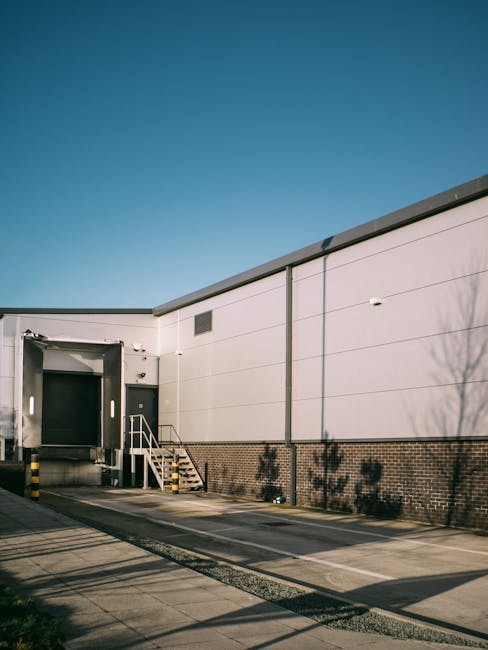
Why Crayford Industrial Estate loading advice for commercial removals Matters
Loading advice matters because a commercial removal is not just a bigger house move. There are often multiple workstations, bulky office furniture, stock, archived files, IT equipment, and a strict clock. In an industrial estate setting, you also have to think about shared access, delivery vehicles, turning space, and the fact that another business may need the same route you do.
That makes planning the loading sequence just as important as the move itself. If you load heavy items first without thinking about the drop-off order, you may have to unpack half the van at the new site just to reach the essentials. Not ideal. If you park in the wrong place and the vehicle blocks a service route, the day can stall very quickly.
For local businesses, this advice also matters because industrial estates usually have practical constraints rather than dramatic ones. It is rarely one big problem; it is ten small ones. A pallet truck that cannot clear the threshold. A lift that is booked by someone else. A loading bay that becomes awkward when a second van arrives. These are the moments where a calm plan saves time and, frankly, a fair bit of stress.
If your move is part of a broader business change, it can help to look at related support too. For example, packing and boxes in Crayford can make the loading phase far easier, while insurance and safety is worth checking before anything valuable is lifted.
How Crayford Industrial Estate loading advice for commercial removals Works
At its core, the loading process is about arranging items in a sequence that protects the load and speeds up unloading. In a commercial context, that means thinking in zones.
Zone one is the items you need first at the destination: keys, essential documents, a starter box of cables, kettles, signs, printers, or a small set of tools. Zone two is the rest of the office or stock that needs careful handling. Zone three is bulky furniture, shelving, and items that can go deeper into the van because they are not needed immediately.
The actual loading should follow the shape of the van and the weight distribution. Heavy items go low and close to the bulkhead where possible. Fragile items are protected with blankets, straps, and gaps filled so they cannot slide. If there is an awkward item, such as a copier or a conference table top, it should be measured before the move, not guessed at the kerbside. Guessing is where the day starts to wobble.
Good loading advice also includes timing. Many industrial estate moves work best if the vehicle arrives after the site is open and any access restrictions are clear. That reduces the risk of arriving early and sitting there, engine humming, while everyone waits for a keyholder or a loading bay to open up. A small delay can ripple through the whole schedule.
For moves involving furniture, office desks, or mixed contents, relevant support pages like furniture removals in Crayford and removal van services are useful reference points when planning vehicle size and handling needs.
Key Benefits and Practical Advantages
There are real, everyday advantages to getting loading right. They show up in the schedule, in the condition of the goods, and in how the team feels by the end of the day.
- Faster turnaround: When the order is planned, less time is wasted re-handling items.
- Lower risk of damage: Correct stacking and restraint reduce knocks, scrapes, and pressure damage.
- Better use of vehicle space: The right layout often means fewer trips.
- Less disruption to business operations: A disciplined load-out helps staff keep working until the last practical moment.
- Safer handling: Clear routes and sensible lifting reduce strain and avoidable accidents.
There is also a less obvious benefit: confidence. When people can see that the loading plan makes sense, they tend to relax a little. That matters on a move day. Tense teams make more mistakes. Calm teams ask better questions. Easy to say, harder to do, but absolutely true.
For businesses that need a fast or multi-stop setup, the advantage is even clearer. If you are dealing with a same-day transfer, same-day removals in Crayford can be a practical option, provided the load is prepared properly and the essentials are separated out in advance.
Who This Is For and When It Makes Sense
This advice is useful for a wide range of commercial customers. If you are moving an office, workshop, clinic, shop unit, small warehouse area, or shared business space in or around Crayford Industrial Estate, you will almost certainly benefit from a structured loading plan.
It is especially relevant if you are:
- moving during trading hours and need to keep disruption low
- relocating IT equipment, files, or sensitive stock
- using a van, Luton, or mixed fleet and need to make the most of space
- working from a multi-occupancy site with shared access
- dealing with stairs, lifts, narrow corridors, or awkward kerbs
- trying to fit a full move into one day
It also makes sense if you are comparing removal companies in Crayford and want to know who will plan access properly rather than just turning up and hoping for the best. That might sound blunt, but it is often the difference between a decent move and a messy one.
Smaller businesses sometimes assume loading advice is only for bigger office moves. Not really. A two-room studio, a treatment space, or a small trade unit can be just as fiddly, especially if there is bulky furniture or limited parking outside.
Step-by-Step Guidance
Here is a practical way to approach loading for a commercial removal at Crayford Industrial Estate.
1. Confirm the destination access first
Before anything is lifted, confirm where the vehicle can park, how long it can stay, and whether there are any height limits, entry codes, or loading bay rules. If you are not sure, ask the site manager or building contact. A five-minute phone call can save half an hour of circling.
2. Split the contents into categories
Sort items into essentials, fragile items, heavy furniture, tech, and low-priority archive or storage goods. This makes the load order much easier. It also helps you identify what should travel with a manager rather than disappear into the back of the van.
3. Prepare everything before the van arrives
Flat-pack what you can, remove drawers if needed, tape loose leads, label boxes clearly, and secure doors or moving parts. If you need packing help, this packing guide is a good starting point even for business moves, because the logic is the same: tidy packing makes loading faster.
4. Load heavy items first and distribute weight
Put heavier items low and stable, then add lighter or more delicate items above and around them. Use straps where necessary. The vehicle should feel balanced, not nose-heavy on one side. If the load shifts when the van brakes, something has gone wrong.
5. Keep the exit route clear
During loading, the route from the building to the vehicle should stay clear. If boxes begin gathering in the doorway, the team slows down and the risk of trips rises. This is one of those tiny things that seems harmless until someone catches a toe on a strap.
6. Protect floors, walls, and shared areas
Industrial estates often involve shared entrances or corridor space. Use protection where required and be mindful of noise. In our experience, one over-enthusiastic trolley on a hard surface can sound louder than it should. Nobody wants to be that team.
7. Do a final sweep before departure
Check cupboards, desks, shelving, and behind doors. Then confirm that the essentials box is accessible and the destination plan is still accurate. It sounds obvious. It still gets missed.
Expert Tips for Better Results
Some loading tips only make sense once you have seen a few removals go slightly sideways. Here are the ones that really matter.
- Measure awkward items early: printer units, boardroom tables, and tall cabinets should be measured before move day.
- Use one person as the load captain: too many voices near the van door can create confusion.
- Keep an essentials kit separate: keys, paperwork, chargers, tape, a marker pen, and basic tools should not disappear under boxes.
- Photograph cable setups: useful when reconnecting office tech later.
- Use storage if the new site is not ready: moving in stages is often cleaner than forcing everything through one awkward door.
If your move includes larger or delicate items, it can be sensible to study specialist handling advice too. For example, piano moving guidance is useful even if you are not moving a piano, because it explains how careful handling, planning, and protection work in practice. The same logic applies to other high-value equipment.
And if you know a few items need off-site holding, storage in Crayford can reduce pressure on the load plan. That little buffer can be a lifesaver when handover times do not line up neatly. They rarely do, to be fair.
![A man in a red shirt and dark trousers stands outside an industrial warehouse on Crayford Industrial Estate during daylight hours. The building features a bright yellow and green exterior with large, rectangular windows near the roofline, and a black doorway beneath a green canopy. To the left, a red truck is partially visible, and a small forklift is parked near the entrance. The sky above is blue with large, fluffy white clouds, indicating fair weather. The scene captures the loading and unloading process typical of commercial removals, with the area clear for vehicle access and movement of furniture or packaging materials. As part of the moving logistics process, [COMPANY_NAME], offered by manwithavancrayford.co.uk, appears to be engaged in loading or preparing items for transportation, reflecting the practical aspects of home or business relocations involving wrapping, packing, and furniture transport on a busy commercial estate.](/pub/blogphoto/crayford-industrial-estate-loading-advice-for-commercial-removals2.jpg)
Common Mistakes to Avoid
Most commercial loading problems are avoidable. The trouble is, they are also easy to repeat when everyone is rushing.
- Leaving access checks too late: never assume a van can simply park wherever looks convenient.
- Packing in the wrong order: if you load randomly, unloading becomes slow and messy.
- Underestimating heavy items: desks, filing cabinets, and storage units are often trickier than they look.
- Not labelling essential items: this creates a frustrating search at the new premises.
- Forgetting shared-site etiquette: blocking another business can create avoidable friction.
- Using too few people: some jobs look smaller than they are. Then the lifting starts.
One classic mistake is thinking the loading job is finished when the van door closes. It is not. The load needs to be secure, accessible where necessary, and matched to the actual order of unloading. Otherwise the first 15 minutes at the new site can feel like a puzzle with missing pieces.
Tools, Resources and Recommendations
For most commercial removals, a few simple tools make a huge difference.
- Furniture blankets: protect desks, shelving, and delicate surfaces from scuffs.
- Ratchet straps or load restraints: keep items from shifting in transit.
- Heavy-duty tape and labels: essential for organising boxes and cables.
- Dollies and sack trucks: reduce strain and speed up movement over flat ground.
- Protective gloves: useful for grip, especially with cardboard, metal frames, or dusty stock.
- Floor protection: helps in reception areas, corridors, and shared entrances.
For guidance on safe handling, the health and safety policy and insurance and safety information are both worth reviewing before the move begins. If you are comparing service levels, pricing and quotes can also help you understand what is typically included.
Businesses that want a broader setup sometimes combine commercial removals with man with a van support for smaller loads or rapid transfers. That flexibility can be handy when not everything needs to move in one big wave.
Law, Compliance, Standards, or Best Practice
Commercial removals involve practical compliance rather than dramatic legal drama. The main thing is to work safely, avoid obstructing access, and handle items in a way that protects people and property.
That means:
- following workplace health and safety expectations
- using sensible lifting techniques and enough staff for heavier items
- avoiding unsafe manual handling where a trolley or team lift would be better
- checking building access rules and any site-specific restrictions
- keeping walkways, fire routes, and common areas clear where required
Manual handling is a real risk in removals, especially when teams are tired or the day is running late. If you need a practical refresher on safer movement, this lifting and movement guide offers a useful plain-English read. And if the job is likely to involve a lot of handling, you may also find heavy lifting strategies relevant, although for business removals the best strategy is usually not doing it alone in the first place.
Best practice also includes keeping records of any special instructions, especially if the move involves sensitive stock, valuable kit, or access arrangements that need to be passed between teams. A small notebook still works. Old school, yes. Useful, absolutely.
Options, Methods, or Comparison Table
There are a few different ways to approach commercial loading, depending on time, budget, and how complicated the move is. Here is a simple comparison.
| Loading method | Best for | Pros | Trade-offs |
|---|---|---|---|
| Full planned load with labelled zones | Office moves, mixed equipment, larger commercial jobs | Fast unloading, better organisation, less damage risk | Needs more preparation before move day |
| Staged loading over several trips | Small businesses, phased relocations, limited access windows | Flexible, easier on the schedule | Can take longer overall and needs coordination |
| Direct load-and-go | Simple moves with few items and clear access | Quick, easy to manage | Less forgiving if something is forgotten |
| Load with temporary storage buffer | Moves with delayed handover or fit-out work | Reduces pressure, keeps premises usable | Requires extra handling and planning |
If the property handover and fit-out dates do not line up, the storage-buffer approach can be the cleanest option. It is not glamorous, but it works. And in removals, working beats impressive every time.
Case Study or Real-World Example
Consider a small design studio moving out of a unit near Crayford Industrial Estate. The team had desks, display materials, boxed archive files, two tall storage cabinets, a printer, and a few delicate monitors. At first glance it looked like a straightforward move. Then they checked the access.
The loading area was shared, parking was tight, and the new unit was not ready until later in the morning. Rather than trying to force the whole move into one chaotic rush, the removal team split the load into phases. Essential tech and documents went first. Furniture was wrapped and loaded separately. The storage cabinets were measured and placed upright with straps to prevent movement. Because the handover time was uncertain, a small portion of stock was put into temporary storage rather than squeezed into the van just for the sake of it.
The result? Less stress, less re-handling, and a calmer arrival at the new site. Nothing dramatic. Just a tidy day, which honestly is what most businesses want. A move that feels almost boring is often the best kind.
This kind of planning also works well alongside broader move support such as office removals and, where needed, short-term storage to bridge any timing gap.
Practical Checklist
Use this checklist before loading starts. It keeps the move grounded and stops small details from slipping away.
- Confirm site access times and parking arrangements
- Check for lift use, loading bay rules, or keyholder requirements
- Label essential boxes clearly
- Separate IT, cables, and login-sensitive items
- Protect fragile equipment with wrap or blankets
- Measure large furniture and awkward items
- Decide which items travel first and which can wait
- Prepare floor and wall protection if needed
- Assign one person to coordinate the load order
- Keep tools, tape, and paperwork in an accessible essentials kit
- Do a final sweep of cupboards, shelves, and under desks
- Confirm the unloading plan at the destination before departure
Expert summary: The best commercial loading plan is the one that reduces re-handling. If an item has to be moved twice, the day is already getting harder than it needs to be.
Conclusion
Good loading advice for Crayford Industrial Estate commercial removals is really about being practical, not perfect. You do not need a fancy system. You need a clear access plan, sensible order of loading, proper handling for awkward items, and a team that knows what goes first and why.
Whether you are moving a small office, a trade unit, or a mixed commercial space, the same principles apply: plan the route, protect the load, label the essentials, and avoid last-minute guesswork. It keeps people safer, protects property, and usually makes the whole experience feel much less chaotic. Which, let's face it, is the goal.
If you want help planning a move that fits your business, the next step is to speak with a local removal team that understands access, timing, and the realities of commercial loading in Crayford.
Get a free quote today and see how much you can save.
For a friendly chat about your move, you can also contact the team here. A good plan on the front end tends to make the whole day feel lighter.